
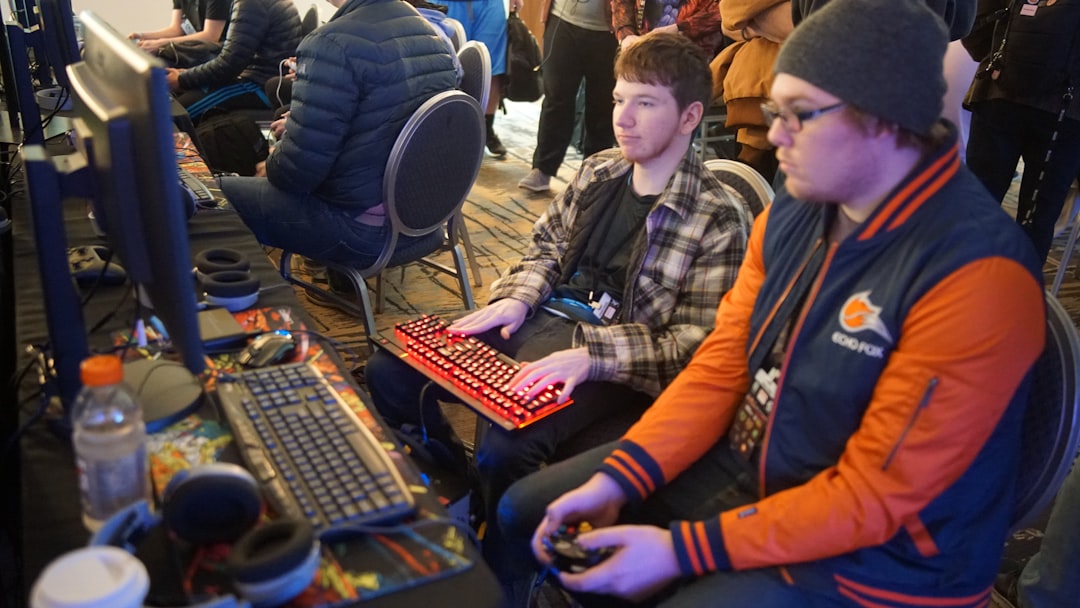
Competitive gaming has evolved from informal arcade competitions to a billion-dollar global industry featuring professional players, massive tournaments, and audiences rivaling traditional sports. This transformation reflects both technological advancement and cultural shift—gaming's journey from niche hobby to mainstream entertainment recognized as requiring skill, strategy, and dedication comparable to physical athletics.
The Origins of Competitive Gaming
Competitive gaming emerged alongside video games themselves. In 1972, Stanford University hosted a Spacewar tournament—perhaps the first formal video game competition. Arcade high score tables created implicit competition among players. The 1980s saw gaming competitions organized by manufacturers promoting their products. These early events established competitive gaming's foundation but remained small-scale, localized affairs without standardized structures or professional infrastructure.
Fighting games like Street Fighter II revolutionized competitive gaming in the early 1990s. Their direct player-versus-player format created clear competitive frameworks. Arcade culture fostered communities where players gathered to test skills against each other. Tournament organizers began establishing more formal competition structures. Yet competitive gaming remained grassroots—passionate communities organizing events without corporate backing or mainstream recognition.
The Internet Revolution
Broadband internet transformed competitive gaming by enabling online multiplayer at scale. Players no longer needed physical proximity to compete. Games like StarCraft in South Korea demonstrated esports' potential, attracting television broadcasts and corporate sponsorships. PC bang (internet cafe) culture created infrastructure supporting competitive play. Professional teams emerged, players earned salaries, and gaming became viable career path for top performers.
Western markets followed different trajectories but reached similar destinations. Counter-Strike established competitive first-person shooter scenes. League of Legends popularized the MOBA genre while building esports infrastructure. Streaming platforms like Twitch made competitive gaming accessible to global audiences, transforming niche competitions into entertainment spectacles drawing millions of viewers.
Game Design for Competition
Successful esports titles share common design characteristics. They feature high skill ceilings—mastery requires thousands of hours of practice. They maintain competitive balance ensuring no single strategy dominates. They provide spectator-friendly visual clarity allowing viewers to understand action. They create moments of exciting play that translate well to broadcast formats.
Developers increasingly design games specifically for competitive viability. Regular balance patches address emerging dominant strategies. Spectator modes and replay systems facilitate content creation and analysis. Ranking systems and matchmaking ensure players face appropriate competition. These design considerations reflect esports' influence on game development priorities—competitive longevity matters as much as single-player campaign quality.
The Professional Ecosystem
Modern esports operates as complex ecosystem featuring multiple stakeholders. Professional players train full-time, often living in team houses under structured practice regimens. Coaches and analysts study opponents and develop strategies. Organizations provide infrastructure, salaries, and support staff. Tournament organizers run events ranging from online qualifiers to arena championships. Broadcasters and content creators deliver competition to audiences. Sponsors invest seeking brand exposure to gaming demographics.
This ecosystem generates substantial revenue through multiple streams. Tournament prize pools reach millions of dollars. Media rights deals bring competitions to streaming platforms and television. Merchandise sales, sponsorships, and advertising provide additional income. Top players earn six or seven-figure incomes combining salaries, winnings, and personal sponsorships. This financial viability has legitimized esports as career option, attracting talent that might have pursued traditional sports or other fields.
Spectator Experience
Esports' growth required making competitions comprehensible and exciting for spectators. Production values increased dramatically—professional broadcasting, expert commentary, instant replays, and statistical analysis mirror traditional sports coverage. Observer systems let directors show optimal viewpoints highlighting crucial action. Graphical overlays communicate important information without cluttering screens.
Different games present different spectator challenges. Fighting games are relatively intuitive—two characters fighting directly translates to viewer understanding. Team-based games require explaining multiple simultaneous perspectives and complex strategies. Real-time strategy games demand showing macro-level decisions alongside micro-level execution. Successful esports broadcasts balance accessibility for casual viewers with depth satisfying knowledgeable fans.
Cultural Acceptance and Challenges
Esports increasingly gains mainstream recognition, but challenges remain. Traditional sports organizations and athletes have embraced gaming—professional teams invest in esports divisions, athletes stream themselves playing casually. Universities offer esports scholarships. Media coverage extends beyond gaming-specific outlets to general sports journalism. This normalization reflects broader cultural acceptance of gaming as legitimate entertainment and competitive pursuit.
However, esports faces ongoing legitimacy questions. Critics question whether gaming qualifies as "sport" given minimal physical requirements. Player health concerns emerge—extended practice causes repetitive stress injuries, poor ergonomics, and burnout. Career longevity remains limited compared to traditional sports, with many players retiring in their mid-twenties. The industry continues addressing these challenges while establishing itself as permanent entertainment fixture.
Regional Differences
Esports culture varies significantly across regions. South Korea pioneered professional gaming infrastructure with dedicated channels broadcasting StarCraft matches. China's massive player base supports substantial domestic competitions. European scenes excel at certain games while maintaining distinct community cultures. North America combines multiple gaming genres with strong infrastructure and investment. These regional differences create diverse competitive landscapes with unique strengths and characteristics.
International competitions showcase these regional styles clashing. Korean teams' disciplined practice and strategic depth contrast with more aggressive playstyles from other regions. Cultural approaches to team dynamics, player development, and competitive philosophy create fascinating stylistic variety. These differences enrich competitive scenes while occasionally creating friction around optimal approaches to professional gaming.
The Future of Competitive Gaming
Esports continues rapid evolution. Virtual reality might enable new competitive formats. Mobile gaming expands esports accessibility to regions without strong PC gaming cultures. Traditional sports franchises increasingly invest in gaming divisions. Emerging technologies like 5G enable new competitive possibilities. Meanwhile, established games maintain competitive scenes decades after launch, demonstrating esports' staying power beyond initial hype cycles.
Questions remain about esports' ultimate trajectory. Will it achieve parity with traditional sports in mainstream recognition and commercial success? How will aging games maintain competitive relevance as new titles emerge? Can esports infrastructure support the growing number of competitive titles, or will consolidation around few major games occur? These questions will shape competitive gaming's next chapter.
Conclusion
Esports represents one of the 21st century's most remarkable entertainment transformations. What began as informal competitions among enthusiasts has become a global industry with professional infrastructure, massive audiences, and cultural legitimacy. This growth reflects not just gaming's popularity but recognition that competitive gaming demands skills, dedication, and strategic thinking comparable to traditional sports. As technology continues evolving and cultural acceptance deepens, esports seems positioned for continued growth, potentially becoming as integral to global entertainment landscape as the physical sports that preceded it. Whether esports ultimately achieves that status or finds its own distinct niche, its impact on gaming, entertainment, and digital culture already proves undeniable and lasting.